High-rise structural repairs & waterproofing support@sealspireindia.com
Helpful answers

Frequently asked questions

Learn what to expect from an inspection, how we approach common building defects, and how project proposals and warranties are handled.
The brochure offers a complimentary technical site audit. The inspection is intended to identify visible defects and investigate likely moisture or seepage sources. Where appropriate, SealSpire uses digital moisture meters and non-destructive thermal scanning. The scope and findings are confirmed for each property.

The proposed process includes an engineering diagnostic report with photographic evidence, root-cause analysis and recommended repair materials. A detailed, itemized estimate and project timeline are provided for review before work is approved.

Services include high-rise facade and balcony plaster repair, seepage and leakage control, structural crack repair for beams, columns and walls, and protective exterior coatings. The recommended method depends on the inspection and the specific defect.

Not always. For suitable seepage conditions, the brochure describes non-destructive high-pressure polyurethane resin injection grouting. Whether this or another approach is appropriate can only be determined after assessing the affected area.

The stated execution plan includes high-rise safety arrangements, protective and dust nets, and personal protective equipment. It also describes low-noise tooling, dust containment and daily debris disposal to reduce disturbance. Site-specific safety arrangements are agreed as part of planning.

The brochure describes written warranties ranging from 3 to 10 years depending on the service. The applicable coverage, exclusions and duration should be stated in the written proposal and warranty certificate for your project.

Yes. The brochure describes society annual maintenance contracts for RWAs, including scheduled structural inspections and priority repair services. Contact the team to discuss the property, desired coverage and proposed scope.

The brochure lists Sika, Dr. Fixit Specialist Range, Fosroc and Asian Paints among the approved industrial brands used. The products proposed for a particular repair depend on the diagnosis and should be specified in the project proposal.

Pricing and duration depend on the inspected defect, work area, access requirements and repair scope. SealSpire's stated approach is to provide an itemized estimate and timeline commitment for review before work is approved.

If available, note when the issue started, where it appears, whether it changes with rainfall or plumbing use, and any earlier repairs. Photos, access information and reports can help frame the discussion, but the team will confirm what is needed for the site audit.

A coating changes the surface finish; it may not address a continuing source of water. The source could be associated with a roof or terrace, plumbing, an external wall or another building detail. A site assessment is needed to identify the cause before selecting a repair.

Keep the inspection report, photographs, approved scope, product or system specifications, completion records, written warranty and any scheduled follow-up notes. These records give future managers useful context when the area needs maintenance again.

Residents should not approach unstable plaster, restricted work zones or suspended access equipment. Ask the RWA representative to coordinate questions with the site team, and observe work only from areas designated as safe.
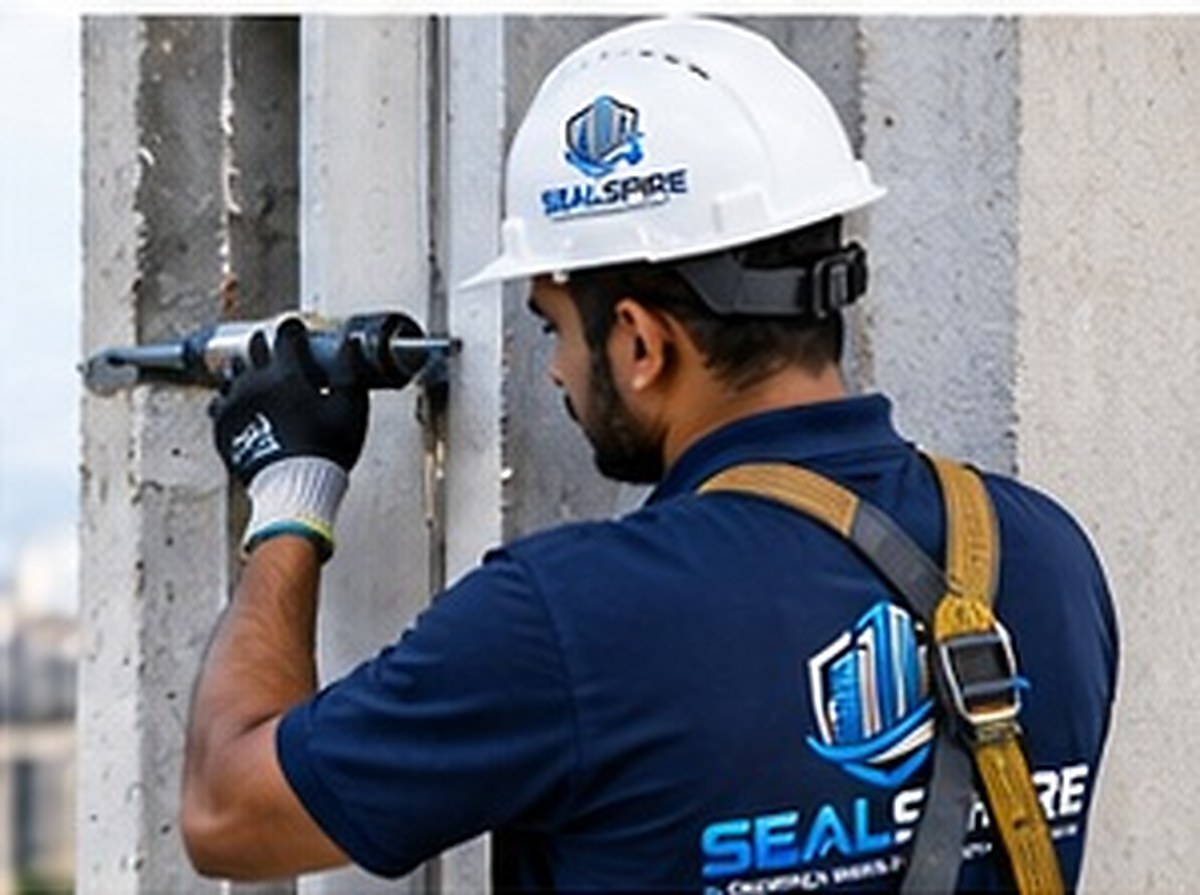
Illustrative image of a technician inspecting a high-rise facade

Illustrative image; not a photograph of a completed project.

Prepare for a useful inspection

A short building-issue log can help

You do not need to identify the technical cause. Just note what you see and give the assessor the context available to your society.

  • Exact location: tower, floor, room, balcony or elevation
  • When the issue appears and whether rain or water use affects it
  • Previous repair dates, products or contractor notes, if known
  • Photos from a safe, accessible position and any maintenance history

Keep away from loose facade material and cordon off areas if there is a risk of falling debris; contact your building management promptly.

For broader technical reading, visit the American Concrete Institute's concrete repair topic. General references are not a substitute for a site-specific assessment or applicable local requirements.

Need advice for your building?

Share the issue and your property details to request a complimentary technical site audit.

Request an audit