High-rise structural repairs & waterproofingsupport@sealspireindia.com
Engineered building care

High-rise repair & waterproofing services

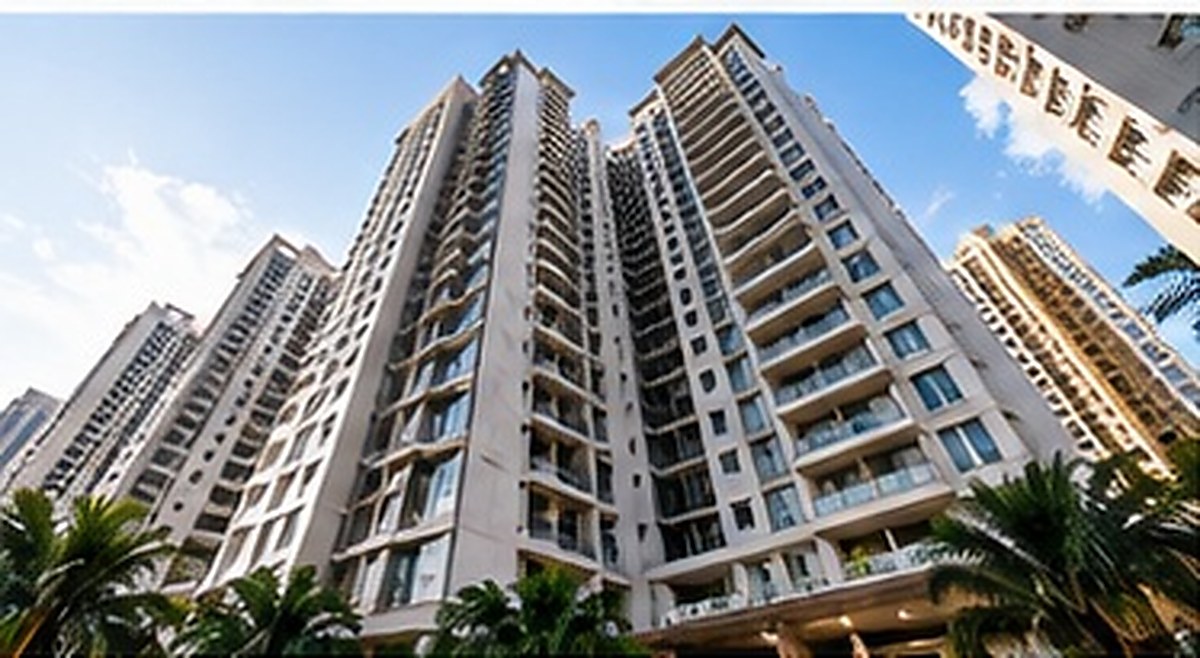
Specialist repair solutions for residential societies, group housing, high-rise facades and commercial complexes. Every method is subject to site assessment and an approved proposal.

Balcony & facade plaster repair

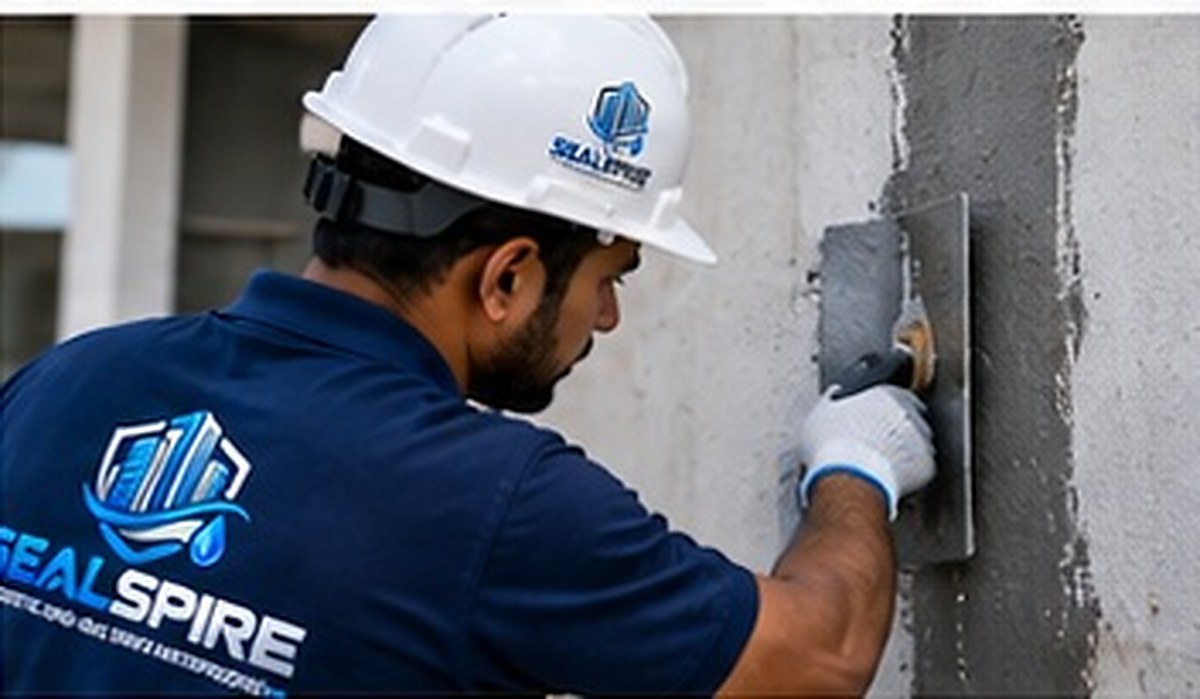
Address loose and spalling high-rise plaster with controlled removal, exposed reinforcement anti-corrosion treatment and reinstatement using polymer-modified mortar. High-access safety planning and protective netting are included in the work plan.

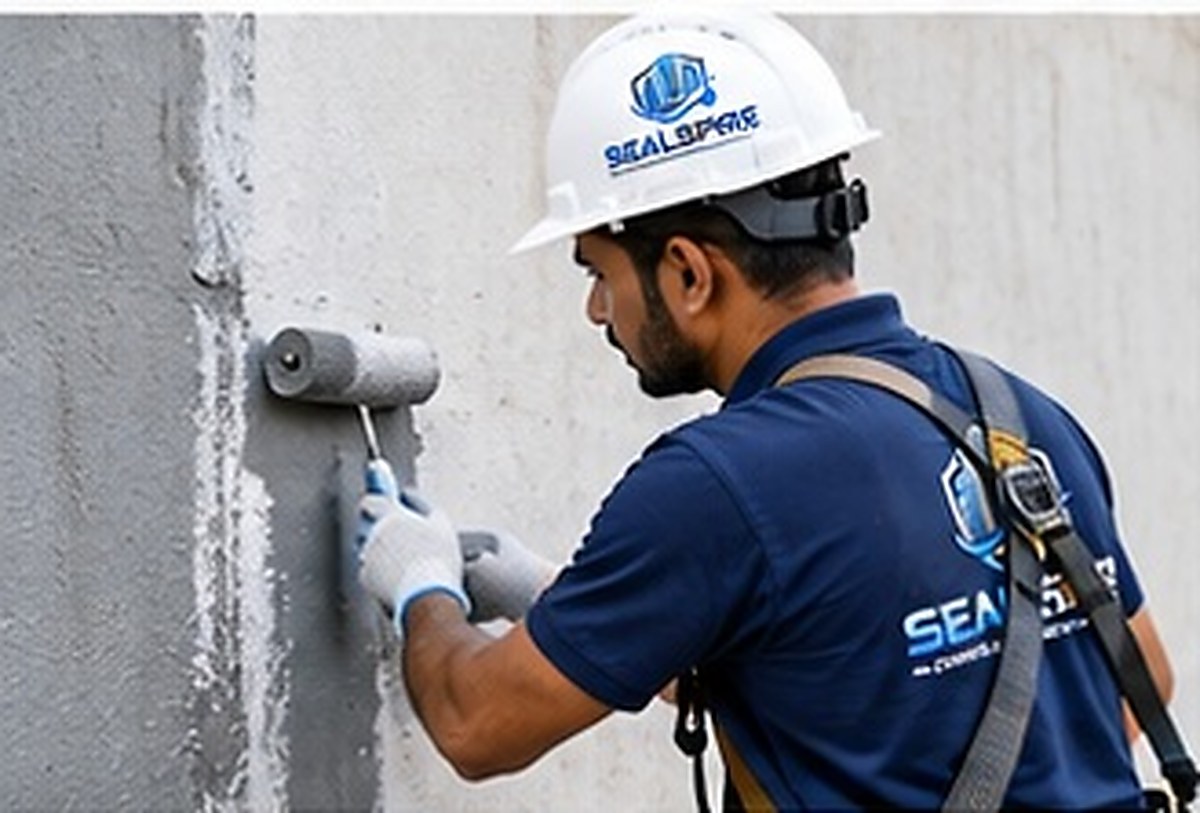
Seepage & leakage control

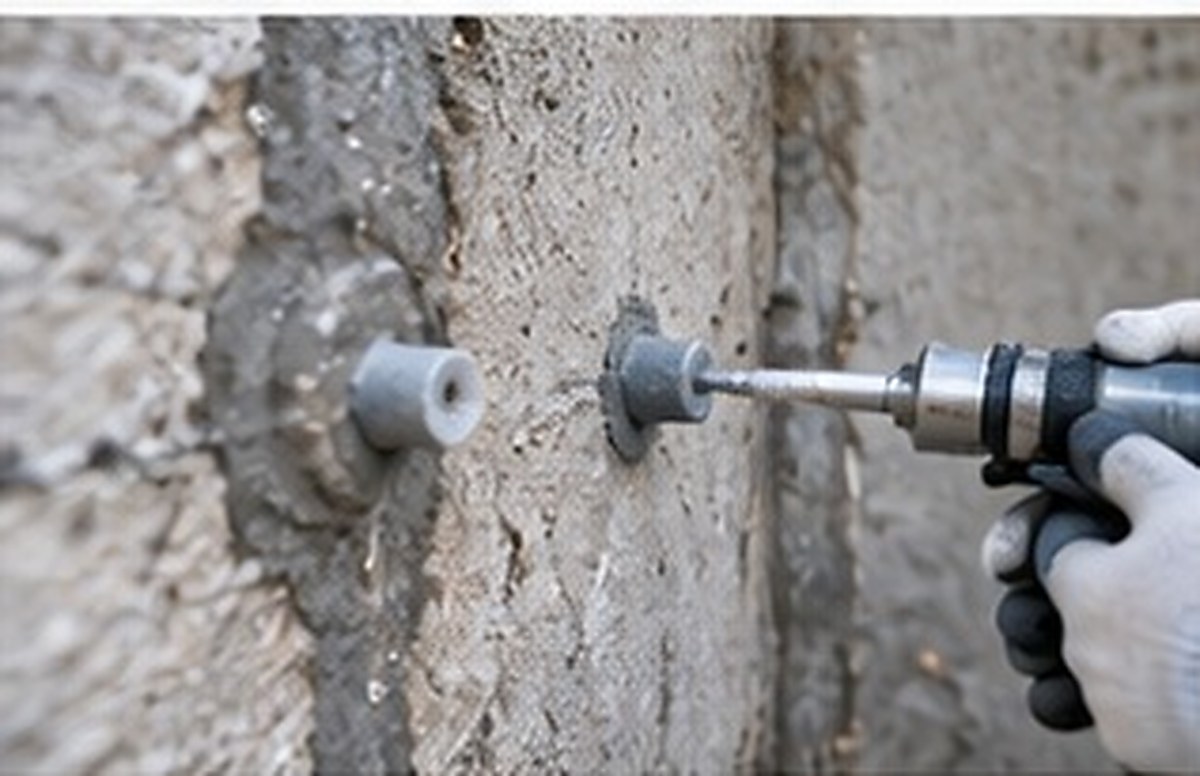
Investigate bathrooms, ducts, terraces and other affected areas. For suitable concrete seepage and crack conditions, non-destructive high-pressure polyurethane (PU) resin injection grouting can seal water paths without routine tile demolition.

Beam, column & wall crack repair

Repair recommendations may include crack preparation, epoxy pressure injection for suitable structural cracks, reinforcement corrosion treatment and specialized micro-concrete encasement for diagnosed beams or columns.

Protective exterior coatings

Apply suitable elastomeric and anti-fungal exterior coatings after repair. A flexible coating can help bridge fine surface cracks and protect the repaired finish from weathering.

Terrace & floor repair

Assess terrace water ingress and hollow or loose floor tiles. Depending on the condition, proposed methods may include multi-layer elastomeric membranes, UV protection or under-tile liquid polymer resin injection.

Society maintenance programs

Annual maintenance contract options for RWAs can include scheduled structural audits, regular inspection and priority crack or seepage repair services tailored to the society.

High-rise work in focus

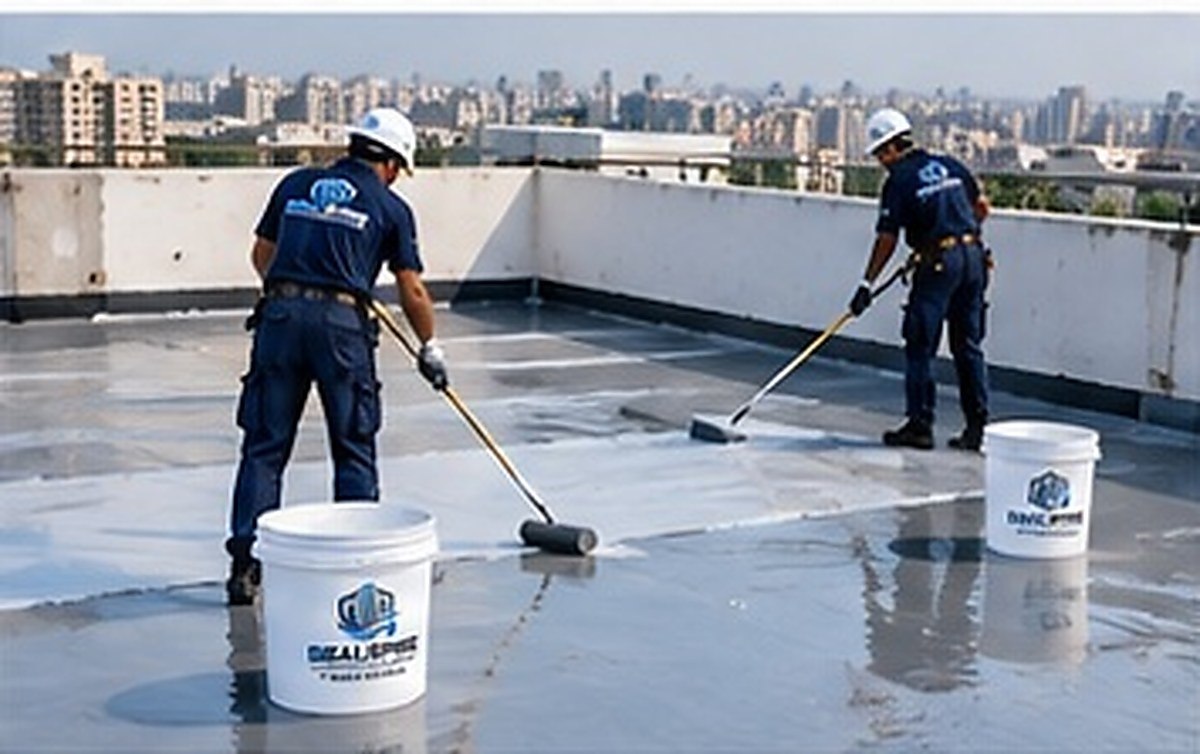
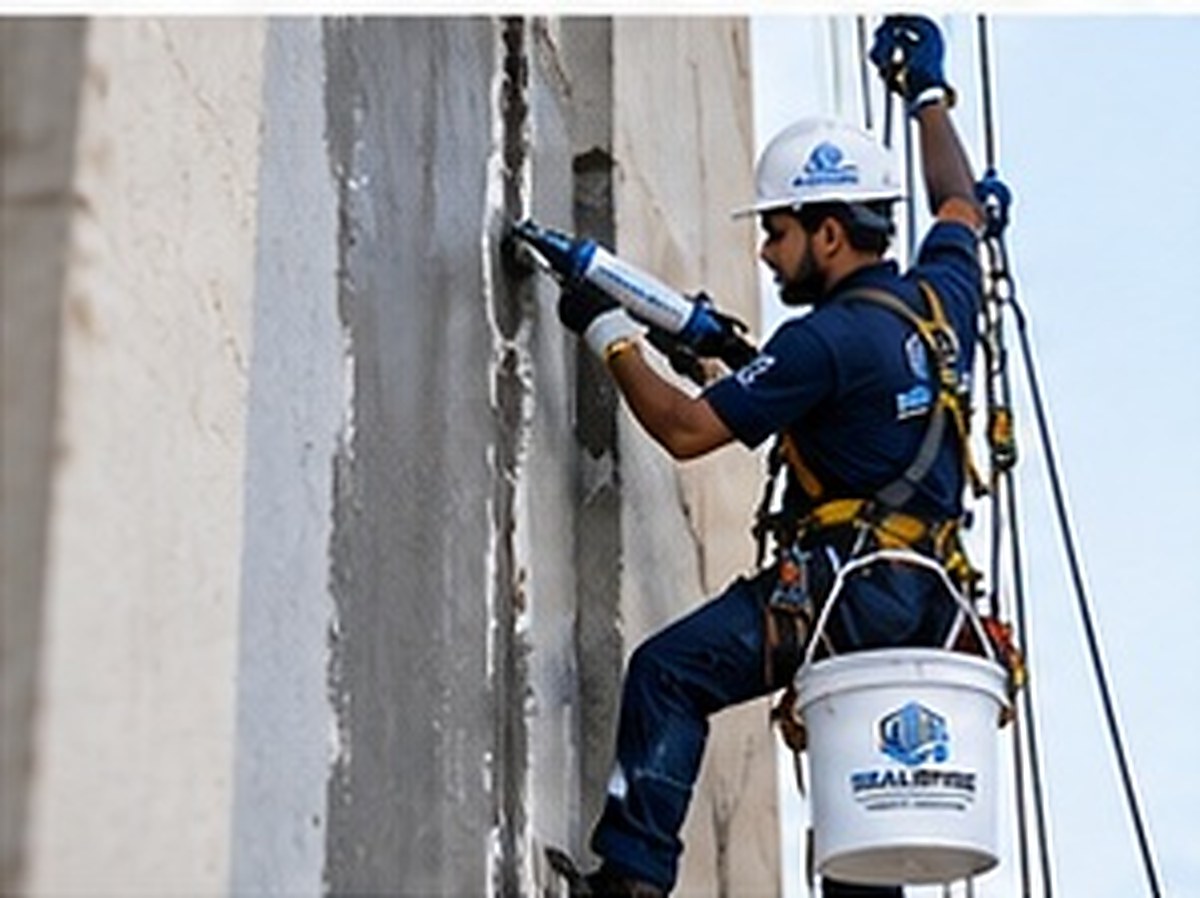
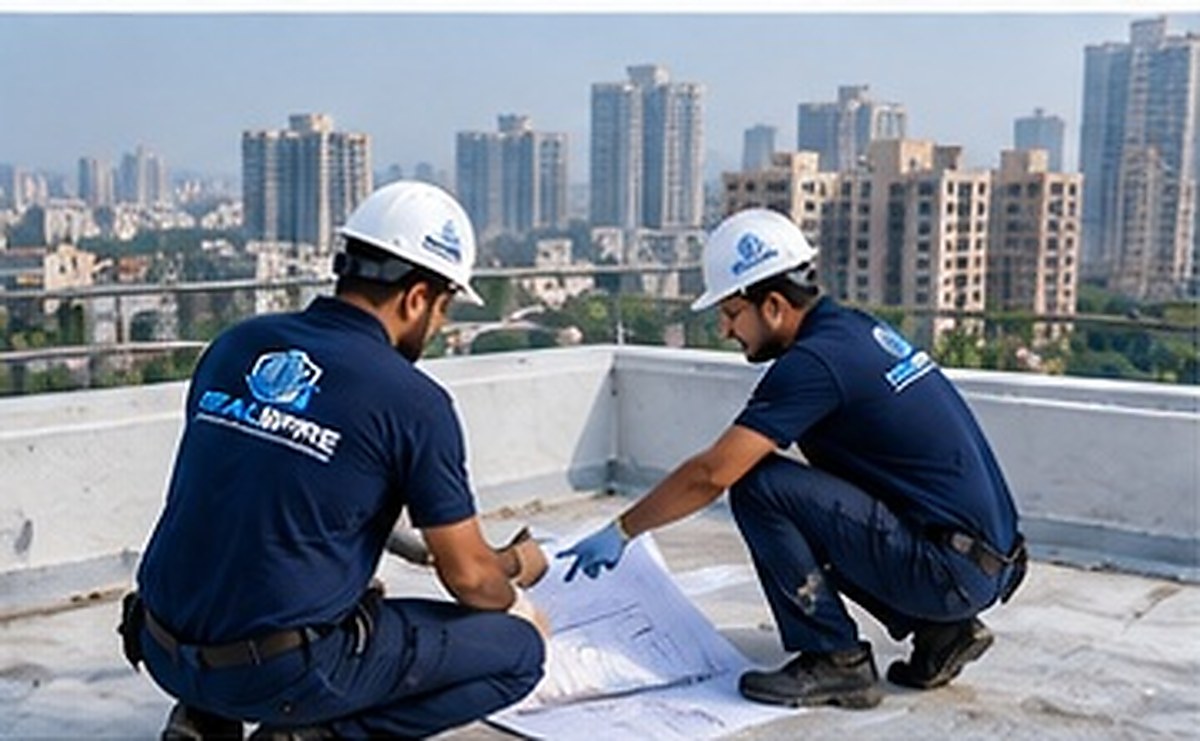
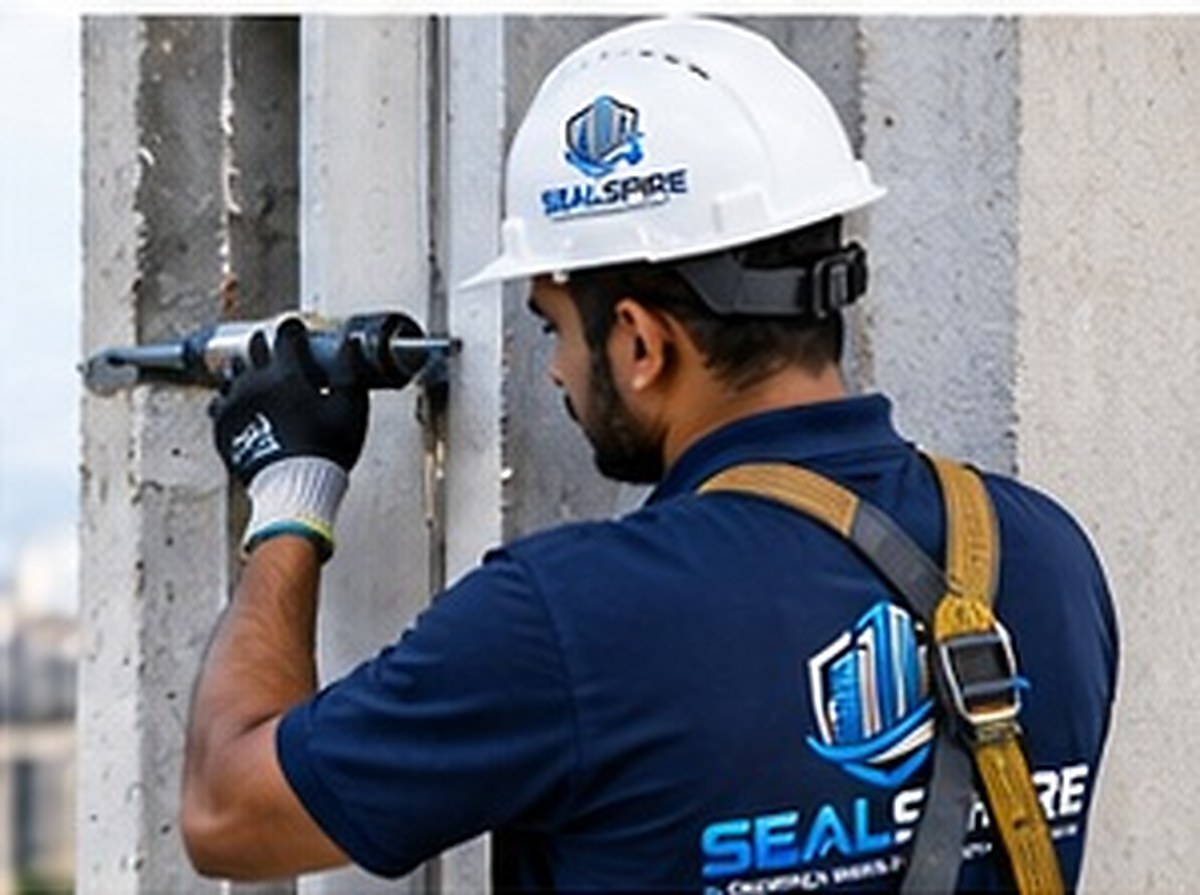
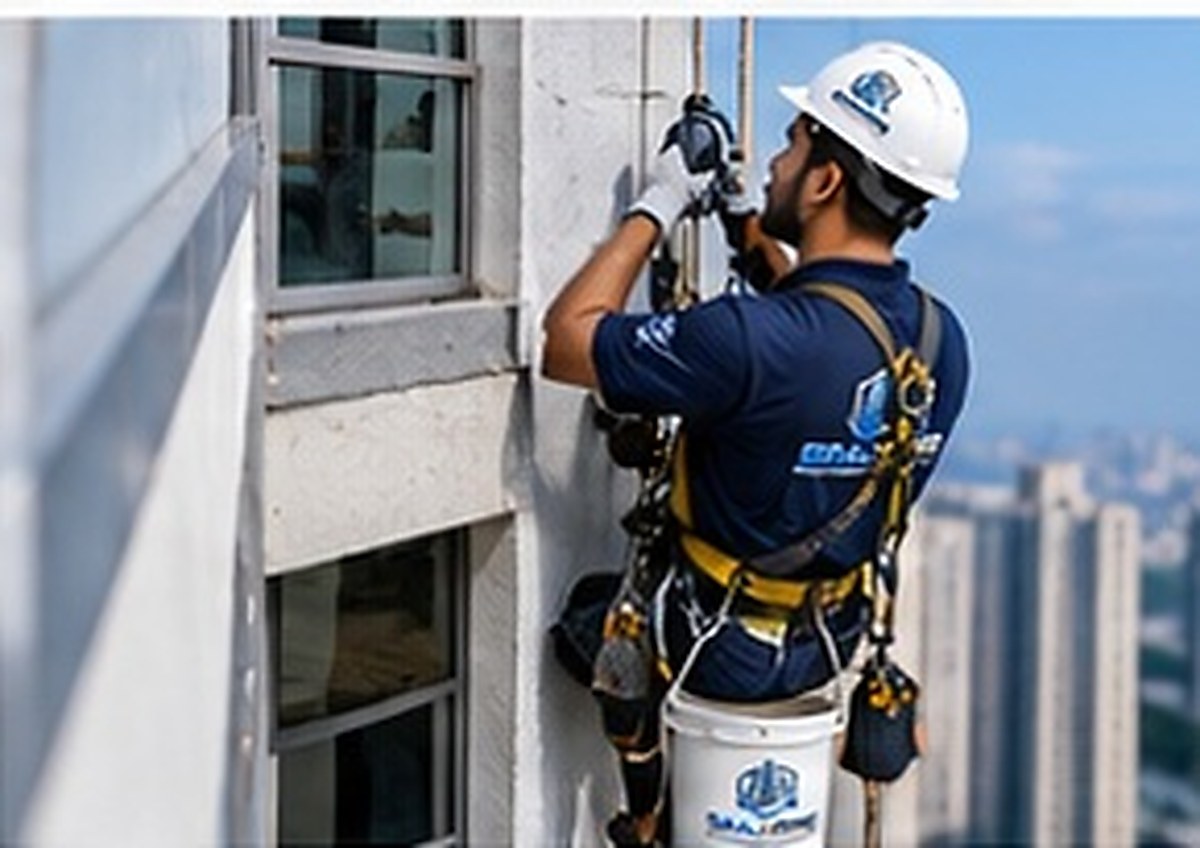
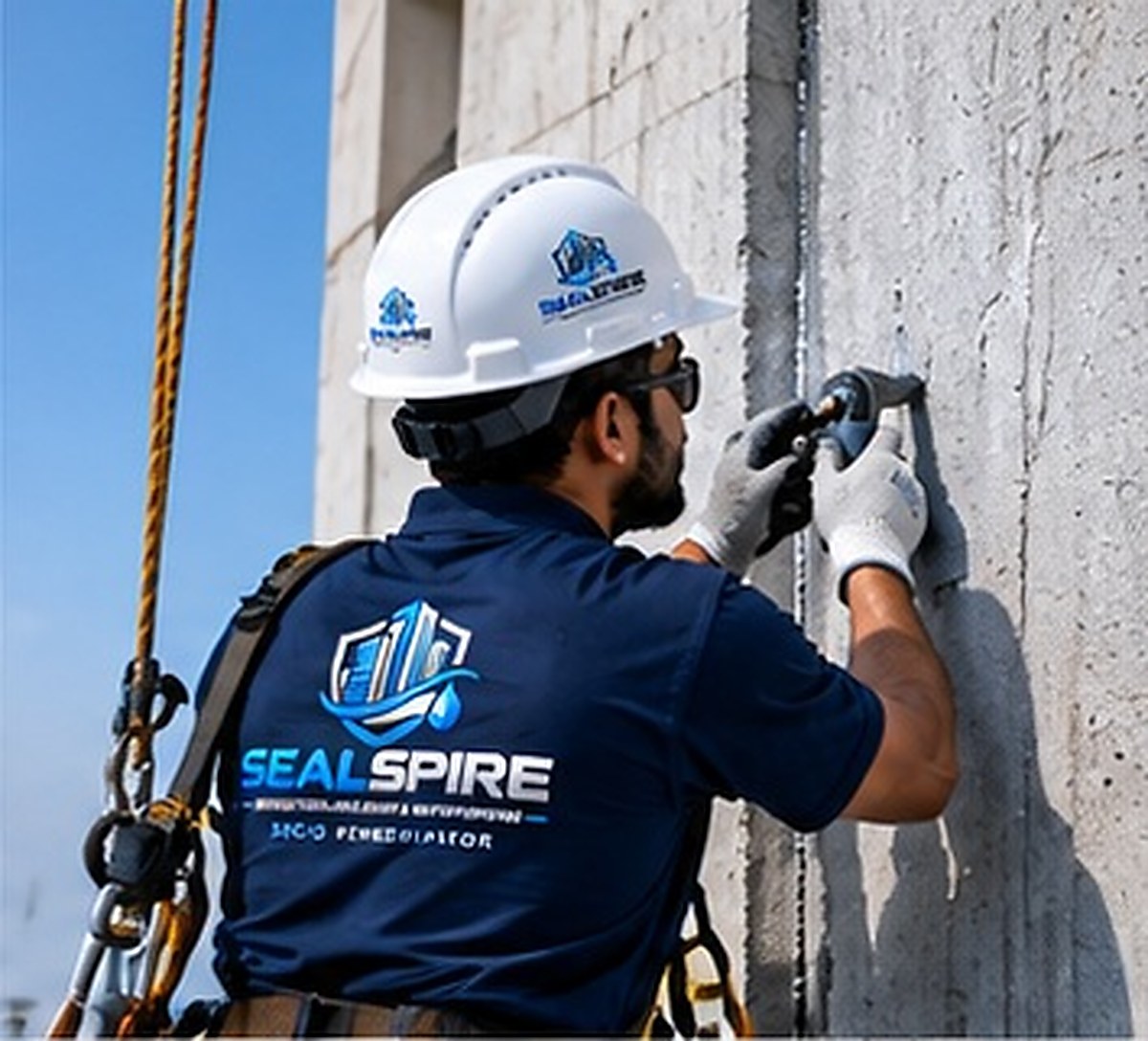
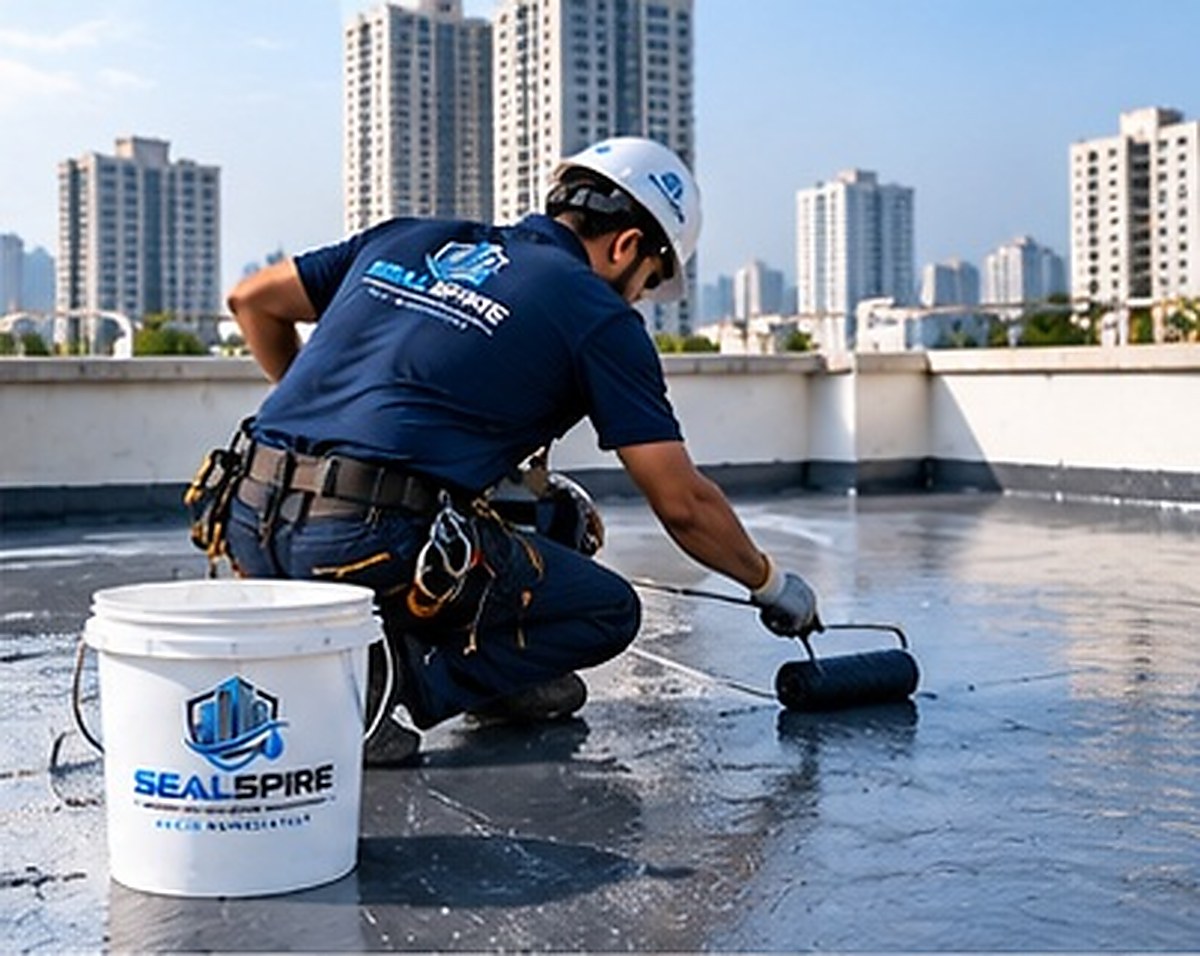
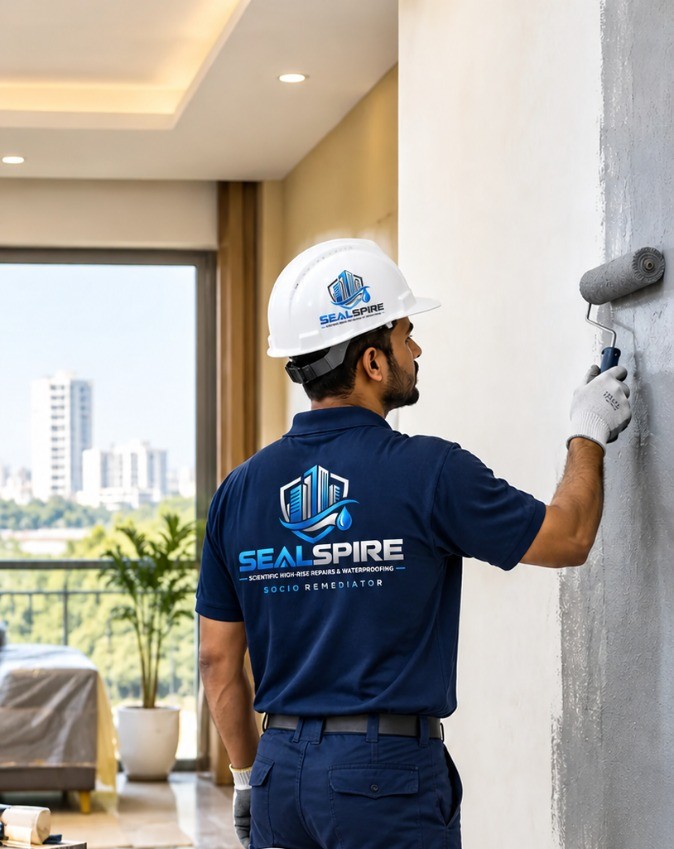
Illustrative images of the repair, waterproofing and inspection services described here. They are not records of completed SealSpire projects; scope and methods depend on an on-site assessment.

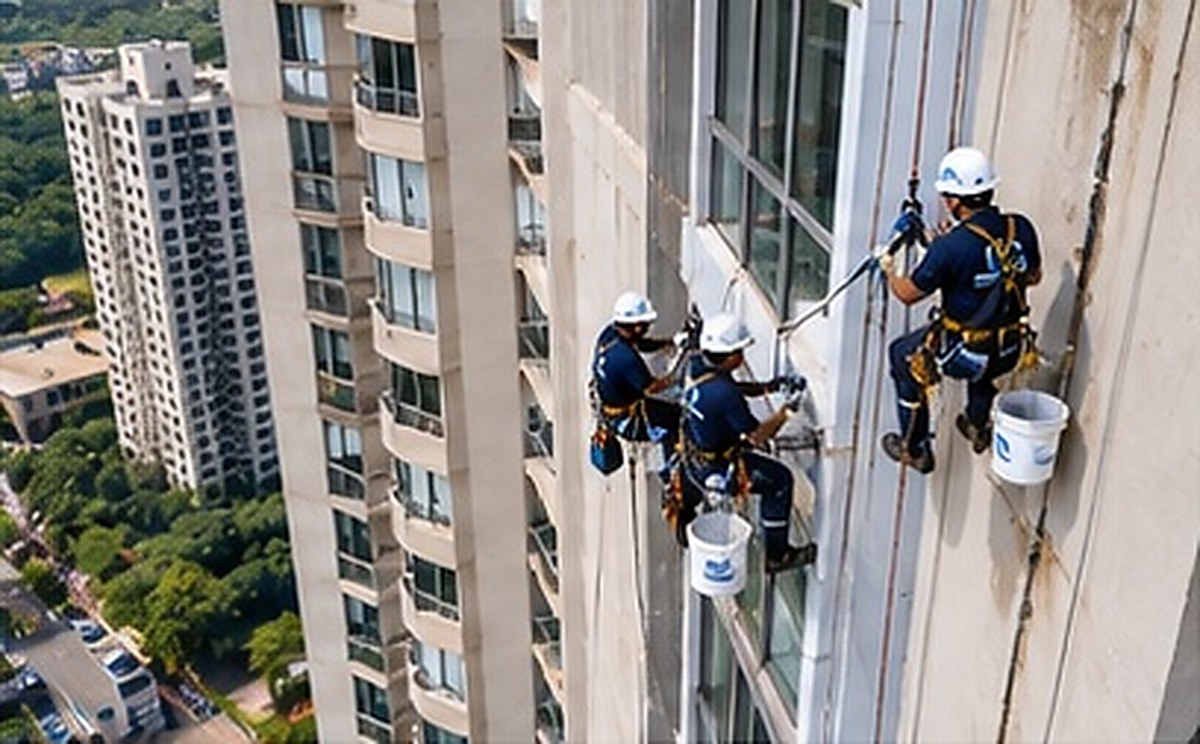
SealSpire-branded rope-access facade repair
Rope-access facade repair
Technician repairing a concrete surface at height
Concrete repair and anchoring
Technicians carrying out structural repair work on a terrace
Civil and structural repairs
Technician performing high-rise facade maintenance
Facade maintenance
Technicians restoring a building surface
Wall surface restoration
Technician inspecting a facade before repair
Site inspection and planning
High-rise residential buildings and exterior joints
Facade joint sealing
Technician applying a roof waterproofing membrane
Roof membrane application
Close-up of crack injection repair equipment on concrete
Crack injection repair
Technician applying waterproofing to a building surface
Waterproofing application
Illustrative concept of a technician repairing a concrete wall
Repair concept
Technician applying a protective coating to a terrace surface
Protective exterior coating
Method matters

Choose repairs based on Expertise

The brochure contrasts common surface treatments with diagnosis-led repair options. Final recommendations depend on site findings.

Defect / areaCommon temporary approachEngineered option described
Loose / spalling plasterOrdinary cement-sand patchingPolymer-modified mortar with anti-rust reinforcement coating
Bathroom / duct seepageTile breakage and relayingHigh-pressure PU injection grouting where suitable
Deep wall / concrete cracksSurface POP or putty fillingPrepared crack repair with flexible PU sealant or epoxy grout, as assessed
Hollow / loose floor tilesComplete tile demolitionUnder-tile liquid polymer resin injection where suitable
Terrace waterproofingTar felt or bituminous layerMulti-layer elastomeric membrane with UV barrier coating

These are indicative approaches from the company brochure, not a substitute for site diagnosis or project-specific specifications. For further technical background, see the American Concrete Institute's concrete repair topic.

Our working process

Five steps with a clear hand-off at each stage

1

Diagnostic inspection

Use digital moisture meters and, where appropriate, non-destructive thermal scanning to investigate dampness and seepage. Note affected rooms, elevations and recurring conditions.

2

Engineering report

Prepare photographic findings, root-cause analysis and recommended repair materials for the RWA or owner. Review options, assumptions and quantities before approval.

3

Safety preparation

Plan access, safety nets, dust curtains, vehicle or walkway controls and personal protective equipment for the property.

4

Specialized execution

Execute the approved scope with trained technical applicators and specified construction chemicals. Keep the work area controlled and share progress as agreed.

5

Warranty & follow-up

Issue the agreed written warranty and arrange applicable post-repair inspection visits. Retain the report and work records for future maintenance decisions.

The brochure lists 3–10 year written warranties, depending on service, and inspection visits every 6–12 months. Applicable terms and schedules are confirmed in writing for each project.

Before you choose a repair

Questions worth asking about any building-repair proposal

Clear scope and records help a society understand what is included, how work will be controlled, and what follow-up means.

What is the identified cause?

Ask what was observed, which areas were inspected, and what evidence supports the proposed repair.

What is included in the scope?

Check work limits, surface preparation, material specifications, access arrangements, protection and debris handling.

How will completion be recorded?

Agree how progress, completed areas, maintenance notes and warranty documents will be handed over.

Not sure which repair is right?

Start with a complimentary technical site audit and a documented assessment of the issue.

Rope-access technicians working on a high-rise facade
Site planning

Responsible execution in a lived-in community

High-rise repair work takes place around homes, vehicles and shared walkways. Safety and site controls are planned alongside the repair method.

  • Agree access and work areas with the society before mobilization
  • Use protective and dust netting appropriate to the work area
  • Plan pedestrian and vehicle protection while facade work is underway
  • Contain dust and remove work debris as part of the site plan
  • Share progress updates with the designated RWA representative

Specific safety arrangements, insurance documents and work sequencing are confirmed for the project before work starts.