 Module 01
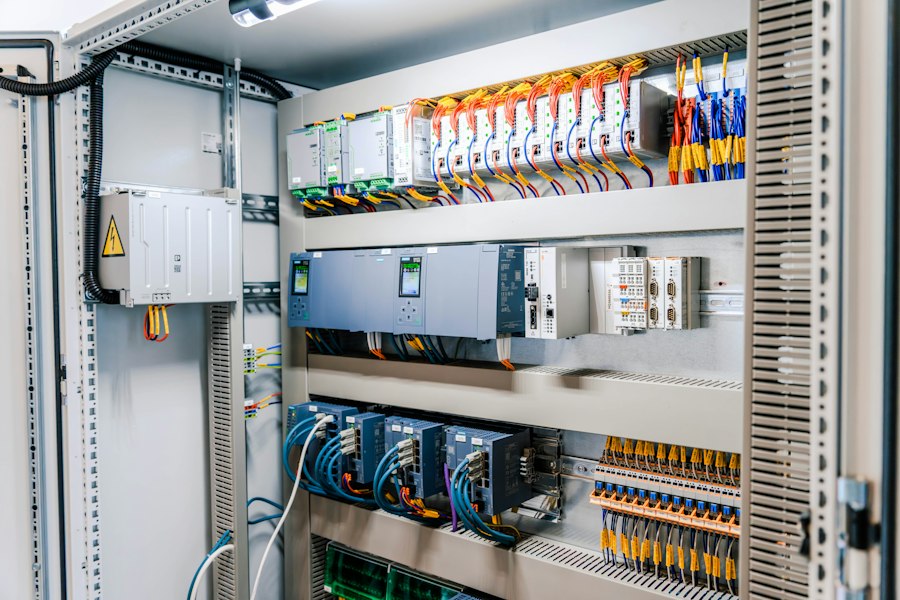
LT panel, feeder pillar & DB servicing
Panel cleaning, busbar tightening, contactor and relay replacement, APFC capacitor bank servicing and neat ferrule-tagged wire dressing.


Prevent short circuits, overheating risers and unexpected blackouts with LT / HT panel servicing, rising mains maintenance, earthing audits and IS-compliant electrical upgrades.
Most high-rise electrical fires start with a loose connection heating up quietly inside a shaft or panel. These are the signs that your building needs an audit now.
Each one is scoped after the audit, so you pay only for what the building actually needs.
Module 01Panel cleaning, busbar tightening, contactor and relay replacement, APFC capacitor bank servicing and neat ferrule-tagged wire dressing.
 Module 02
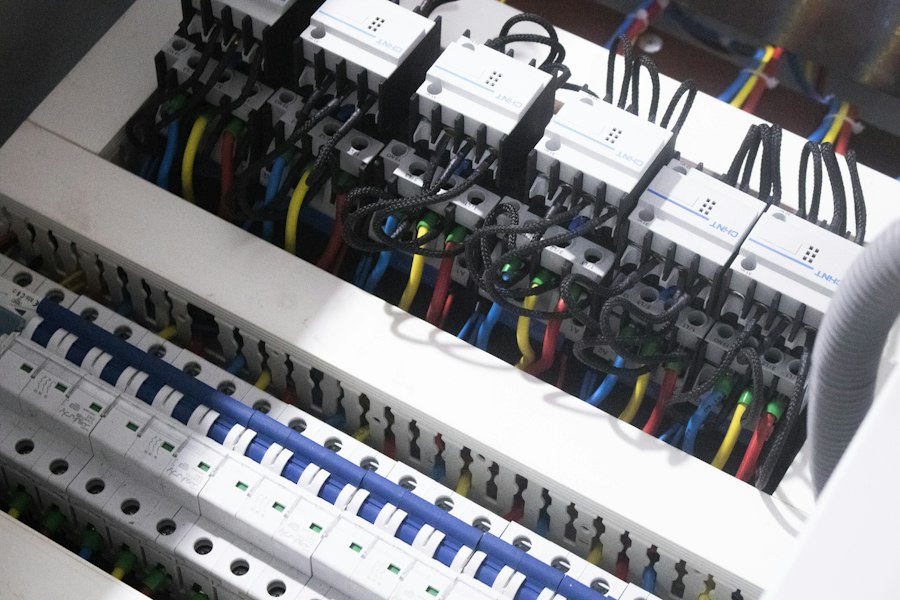
Inspecting and servicing vertical electrical shafts, tap-off boxes and armoured cable risers across every tower floor.
 Module 03
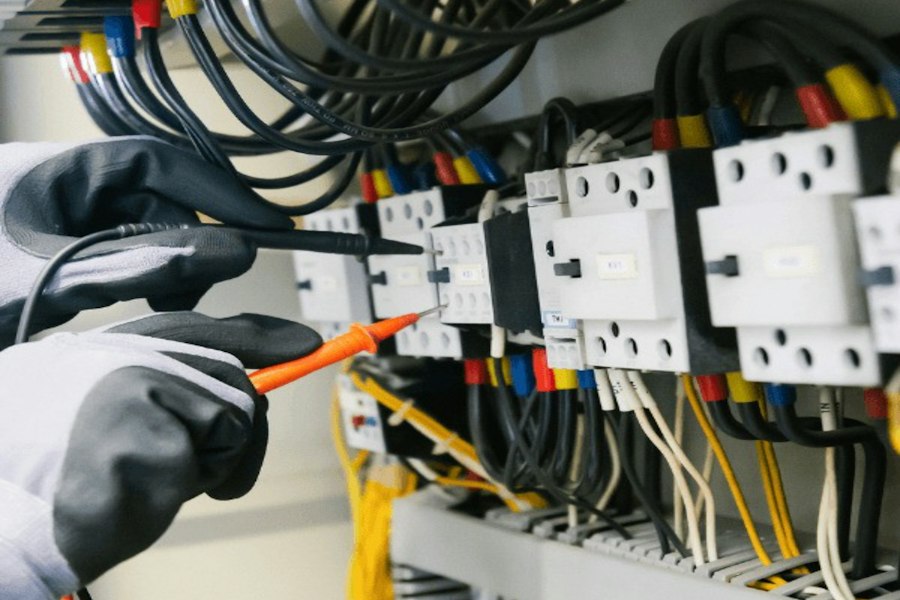
Infrared scanning finds hidden hot spots in panels and breakers before they cause fires, with a load-balancing report.
 Module 04
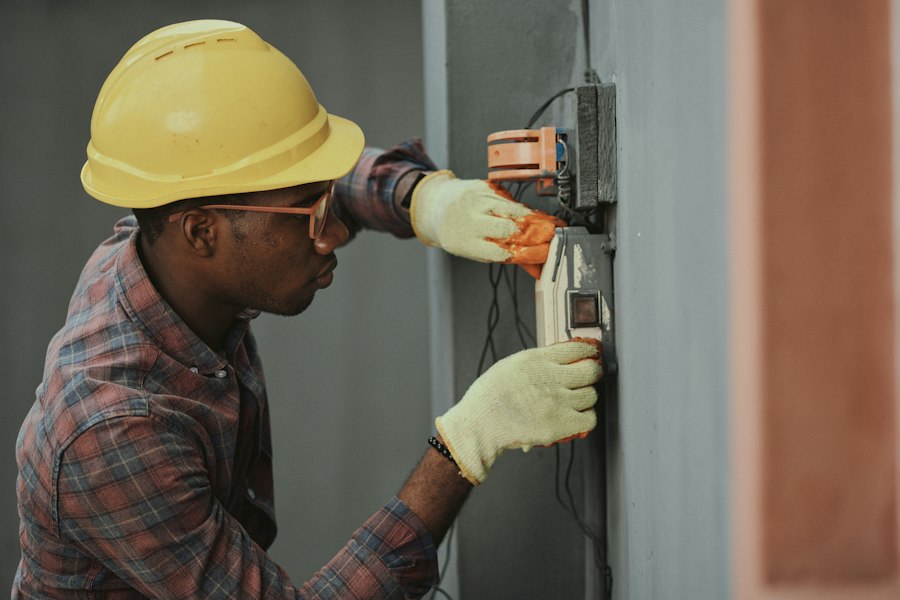
Chemical / copper plate earthing, earth-pit resistance (Megger) testing, and rooftop lightning arrestor continuity checks.
 Module 05
Energy-saving LED upgrades, motion-sensor staircase lighting, and high-altitude architectural and aviation warning lights.
Module 06Servicing AMF / DG changeover panels, fire-fighting and booster pump starter panels, and armoured underground or tray cable laying.
Every stage is logged with photos and shared with your RWA or facility team.
Thermal imaging of live panels, phase load balance measurement, and earth-pit and insulation resistance (IR / Megger) testing.
Strict LOTO procedures, insulated rubber matting, and shutdowns scheduled with facility management.
Burnt lugs and cables replaced, busbar bolts torqued, genuine MCBs / RCCBs / SPDs fitted, and shaft fire-barriers sealed.
Power restored phase by phase, voltage and current balance verified, and a signed electrical safety and test report handed over.
Most high-rise electrical fires start with a loose connection heating up quietly inside a shaft or panel. These are the signs that your building needs an audit now.
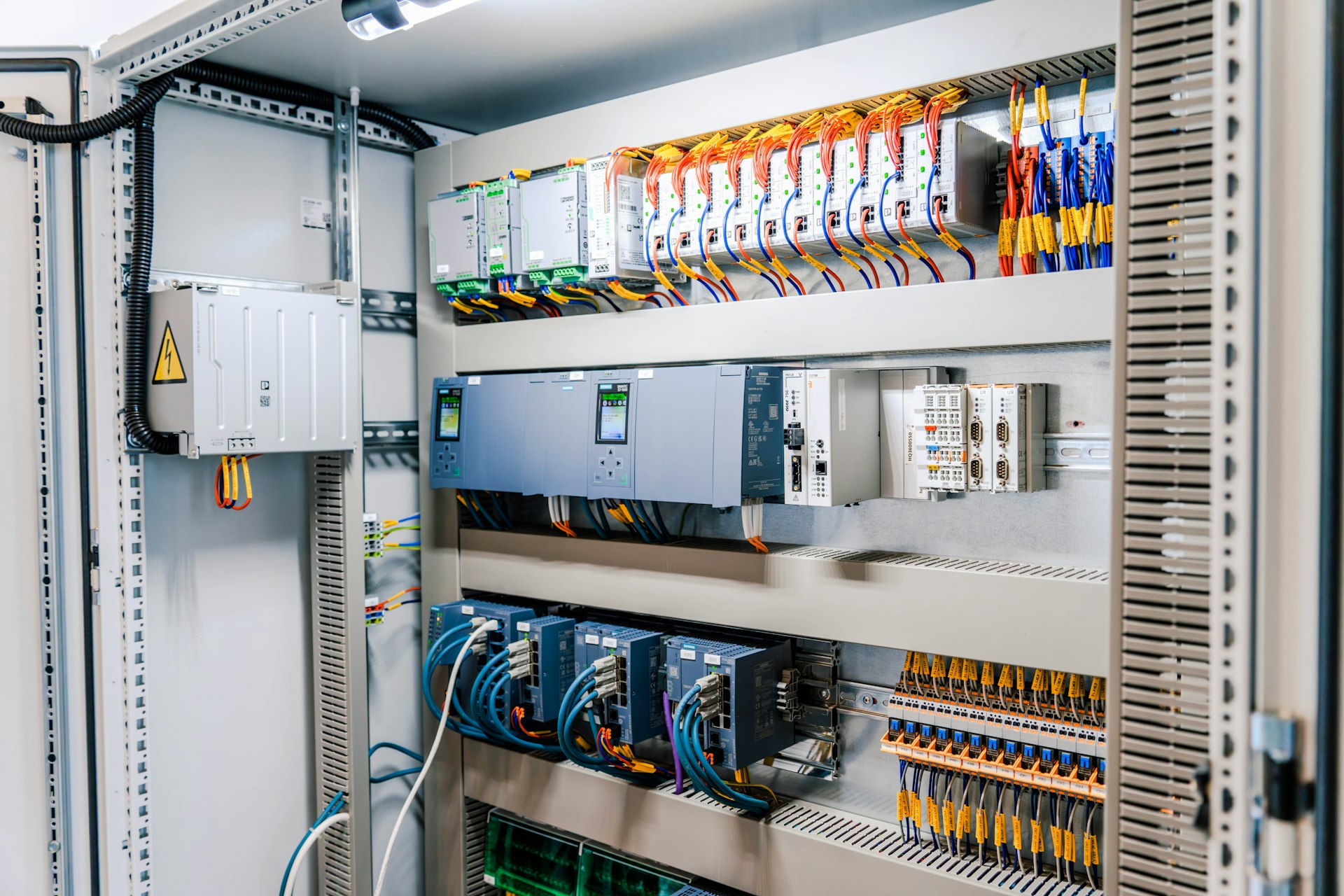
Genuine, branded materials with batch verification. Final selection depends on the audit.
| System / component | Technical purpose | Compliance standard | Approved brands |
|---|---|---|---|
| Switchgear (MCB / MCCB / RCCB) | Overload, short-circuit & earth-leakage protection | IS / IEC 60898 & 60947 | Schneider / L&T / ABB / Siemens |
| Armoured & FRLS cables | Fire-retardant, low-smoke power distribution | IS 694 / IS 7098 | Polycab / Havells / Finolex / KEI |
| Earthing & surge protection | Safe fault dissipation & lightning protection | IS 3043 / IEC 62305 | TruePower / Ashlok / OBO Bettermann |
| Panels & metering | Power distribution & power-factor correction | CPRI-tested assemblies | L&T / Schneider / Havells |
Most high-rise electrical fires start from loose connections overheating inside shafts or LT panels. Thermal cameras spot these hot spots before insulation melts.
No. We isolate one feeder, floor or panel section at a time during low-load hours, keeping lifts and essential backup power running wherever possible.
Yes. Sealing floor-to-floor openings in electrical shafts stops fire and smoke spreading vertically between floors.
At least once a year, ideally before the monsoon, so earth resistance stays within safe limits for lifts and sensitive equipment.
Yes. The electrical crew follows strict LOTO protocols, uses 1000 V rated insulated tools and gloves, and works with our rope-access team for facade and aviation lights.
Our team maps the moisture and cracks, finds the root cause and gives your committee a written BOQ before any work starts.