

Structural Crack & RCC Spalling Repair
Arresting concrete spalling, passivating exposed rusted rebar, epoxy bonding and polymer-modified mortar (PMM) restoration.
When does your building need this?
Concrete falling from balconies and beams is a safety emergency for any RWA. It is almost always caused by corroding steel inside the concrete. We remove the damaged concrete, stop the corrosion and rebuild the section so it is strong and protected again.
- Concrete chunks or plaster falling from balconies and chajjas
- Exposed, rusted reinforcement bars
- Cracks running along beams and columns
- Rust stains on concrete surfaces
- Hollow sound when concrete is tapped
- Cracks that are widening over time
Why it happens, and why the quick fix fails
Carbonation and moisture slowly reach the reinforcement steel. Rusting steel expands to several times its volume and pushes the concrete cover off. Filling these cracks with putty or cement hides the damage while the steel keeps corroding.
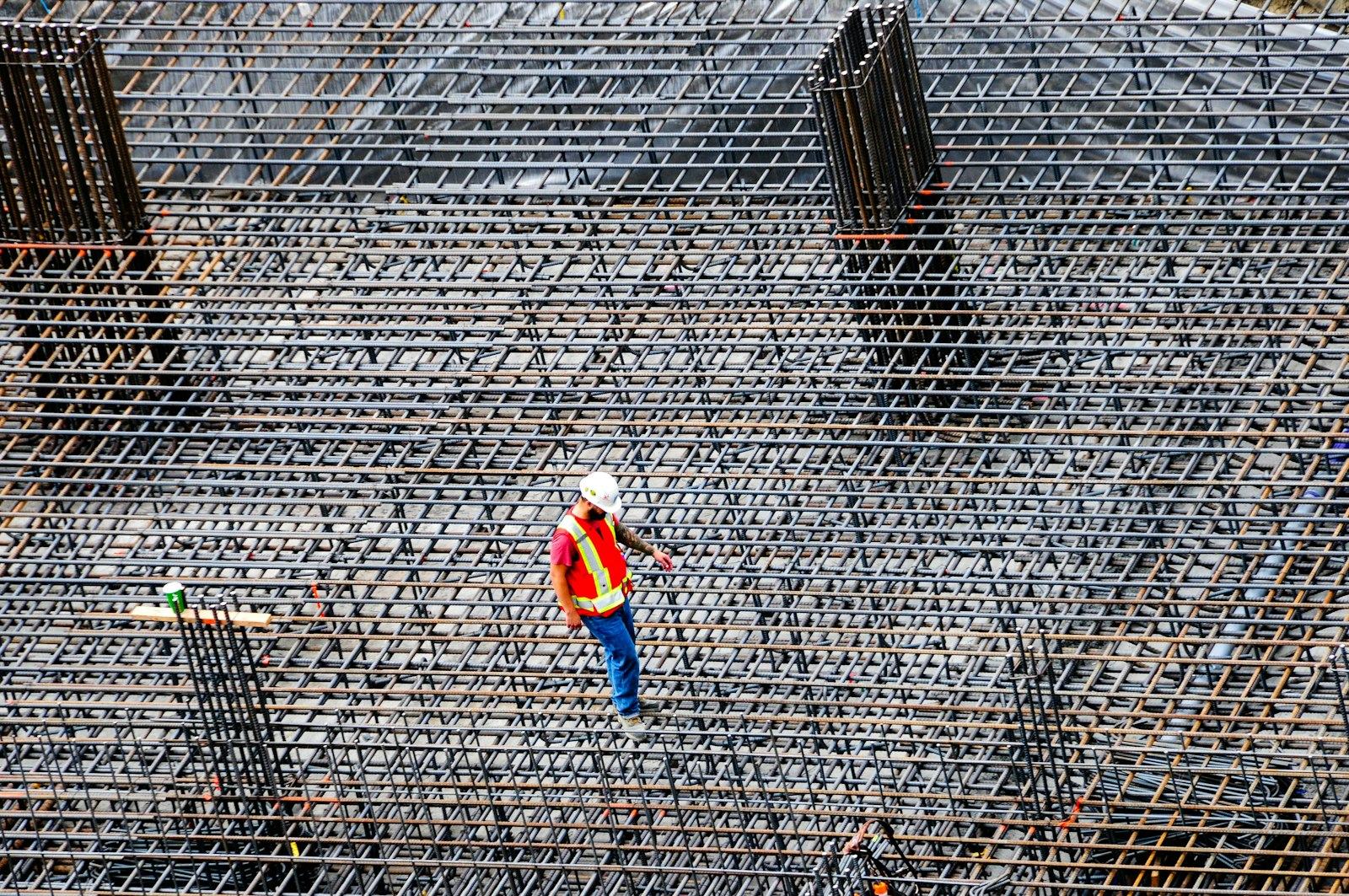
Technical workflow
Every stage is logged with photos and shared with your RWA or estate manager.
- STEP 01
Hacking and cleaning
Loose and carbonated concrete is hacked off behind ground barricading, and the area is cleaned to sound concrete.
- STEP 02
Rebar passivation
Exposed steel is wire-brushed to bare metal and coated with zinc-rich anti-corrosion primer.
- STEP 03
Bonding and crack injection
An epoxy bonding coat goes on. Structural cracks are injected with low-viscosity epoxy resin.
- STEP 04
Rebuilding the profile
The section is rebuilt with polymer-modified mortar, or micro-concrete jacketing for weakened beams and columns.
- STEP 05
Protective topcoat
An anti-carbonation coating is applied to slow future corrosion.
Approved material systems
Factory-sealed branded materials, with technical data sheets submitted before work starts. Final selection depends on the audit.
| Application area | Recommended system | Key technical benefit | Approved brands |
|---|---|---|---|
| RCC spalling repair | Polymer-modified mortar (PMM) | Matches parent concrete strength, anti-carbonation | SikaTop Seal / MasterEmaco |
| Exposed rebar | Zinc-rich anti-corrosion primer | Passivates steel and stops further rusting | Approved brand systems |
| Structural cracks | Low-viscosity epoxy injection | Bonds cracked concrete back together | Approved epoxy systems |
| Weak columns & beams | Micro-concrete jacketing | Free-flowing, high-strength section restoration | Fosroc Renderoc / equivalent |
Common questions
How do we know if a crack is structural?
You cannot tell reliably by looking. Cracks in beams and columns, diagonal cracks and widening cracks should be inspected by our team.
Is falling concrete dangerous?
Yes. Cordon off the area below immediately and keep residents and cars away until it is inspected.
Can the work be done while residents are living in the flats?
Yes. Exterior wall, shaft and facade work is done from outside, so flat access is not needed. Daily work is scheduled to keep noise and disturbance low.
What does the written warranty cover?
Material adhesion, resistance to film cracking, and waterproofing performance against seepage in all treated areas, backed by a formal QA/QC sign-off sheet. The period depends on the system used and is stated in the proposal.
Not sure this is the right fix? Our free audit finds the cause first, then we recommend the system.
Book a free site auditNeed crack & rcc spalling repair for your building?
Our team maps the moisture and cracks, finds the root cause and gives your committee a written BOQ before any work starts.