

Zero-compromise height, electrical & site safety standards
How we protect technicians, residents and parked cars, keep live electrical and shaft work safe, prove the materials are genuine, and check quality at every stage.
Working-at-height protocols
Every high-rise job gets a site-specific safety plan before mobilization.
Certified rope-access systems
Dual-rope systems: an independent working line plus a safety backup line fitted with auto-locking fall arrestors.
Motorized suspended cradles
Load-tested cradles with dual electric winches, emergency hand-descent, anti-tilt devices and overload sensors.
Mandatory technician PPE
Full-body harnesses, chin-strap helmets (EN 397), non-slip footwear, eye protection and lanyards on every hand tool.
Ground protection zones
Safety netting, warning signboards and high-visibility barricading over drop zones to protect cars and pedestrians.
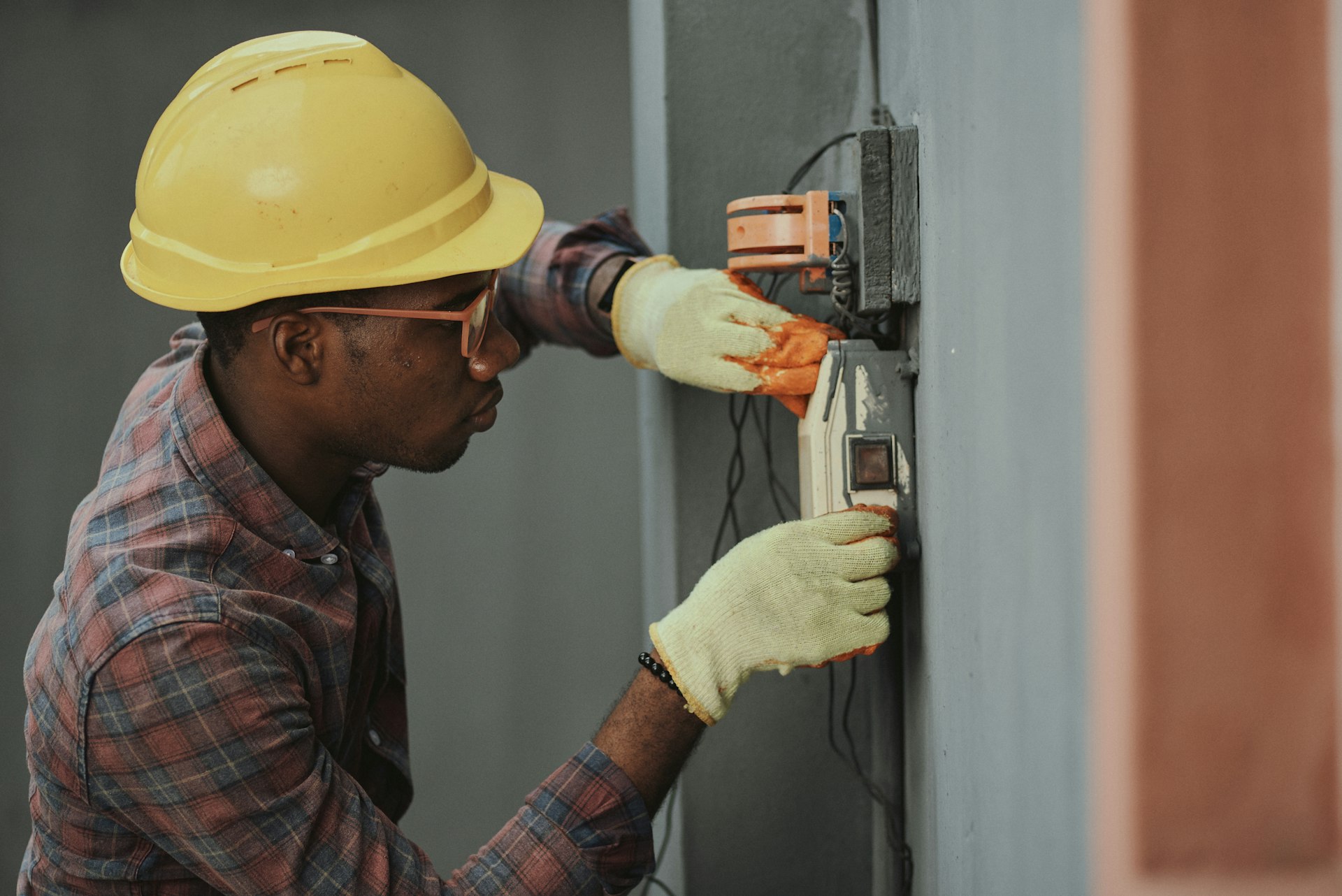
Electrical & plumbing safety protocols
Electrical lockout / tagout (LOTO)
Mandatory circuit isolation, warning tags, insulated rubber mats, 1000 V rated gloves and tools, and fire extinguishers stationed near active panel work.
Plumbing & confined shaft safety
Gas and ventilation checks in deep shafts, controlled valve isolation, and zero-spillage debris containment.
Material authenticity & site transparency
Diluted chemicals, duplicate pipes and fake switchgear are the most common reasons repairs fail early. Here is how you can check ours.
Direct distributor sourcing
Procured through primary manufacturers' channels: Sika, Dr. Fixit, Fosroc, Astral, Schneider and Havells.
Material inward register
Every batch delivered is logged with manufacturing date, batch number and seal condition, verified by your estate manager.
Technical compliance
Technical data sheets (TDS) and material safety data sheets (MSDS) are submitted before work starts.
5-point QA/QC quality control system
Quality is checked at each stage, not just at the end.
- STEP 01
Pre-work diagnostics
Digital moisture meter checks, infrared thermography scans and hydrostatic pressure testing before any work starts.
- STEP 02
Surface prep sign-off
V-groove depth, crack cleaning and removal of loose material are inspected before chemical filling.
- STEP 03
Testing control (DFT / pressure / Megger)
Gauge checks of coating dry film thickness, pipe pressure retention and earth-pit resistance.
- STEP 04
Daily digital logs
Photos and videos posted daily to a dedicated WhatsApp group for RWA members and estate managers.
- STEP 05
Final testing & sign-off
Joint water-spray testing and a formal inspection before the warranty certificate is issued.
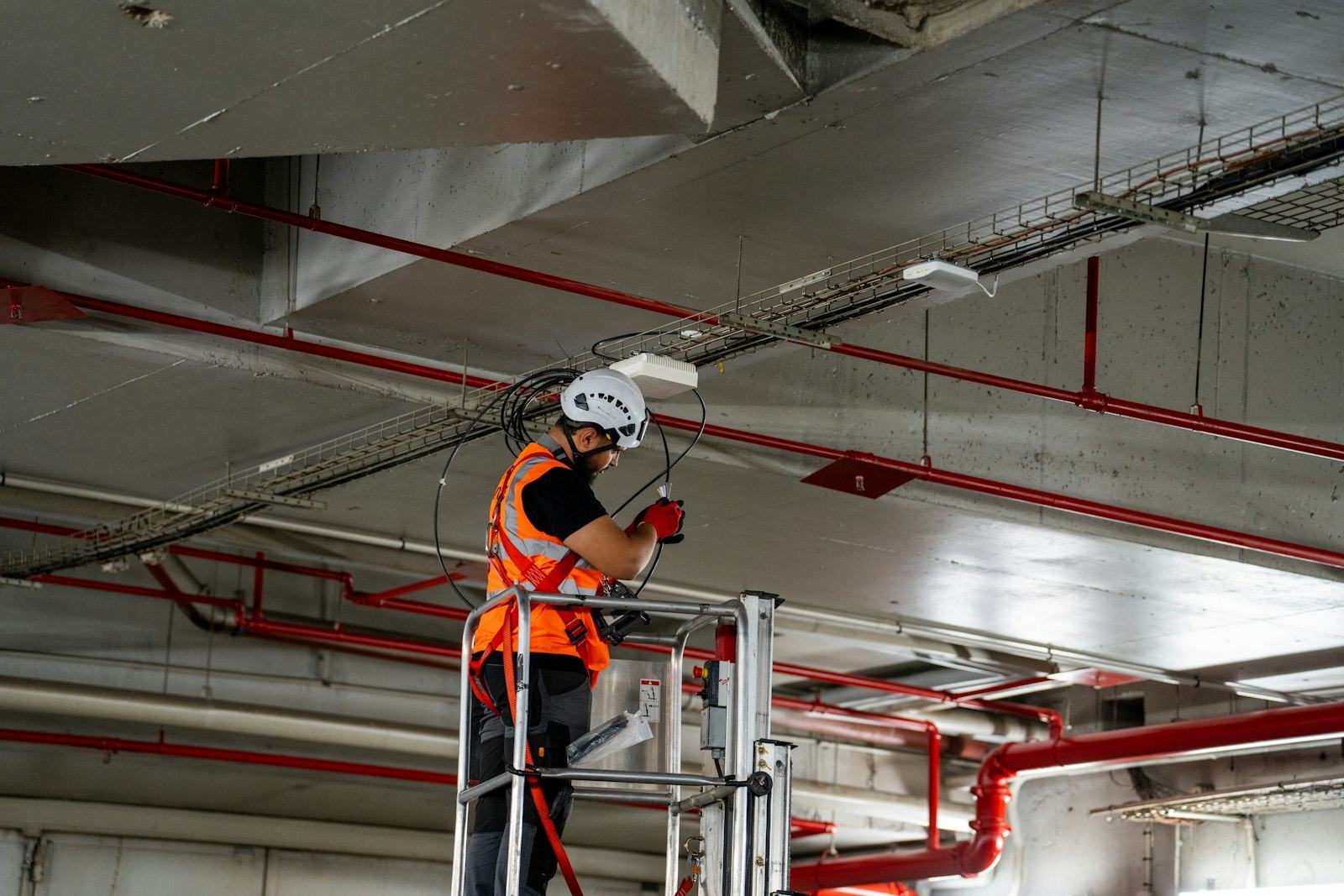
Planned around the people inside
- Low-noise tools and work hours agreed with the RWA
- Dust curtains and daily debris removal
- Short, pre-announced water and power shutdown windows
- Weekend or off-hour execution for commercial towers
- Workmen compensation insurance for every technician
Want to see our safety plan for your building?
We share a site-specific safety plan and material list with every proposal, before any work starts.